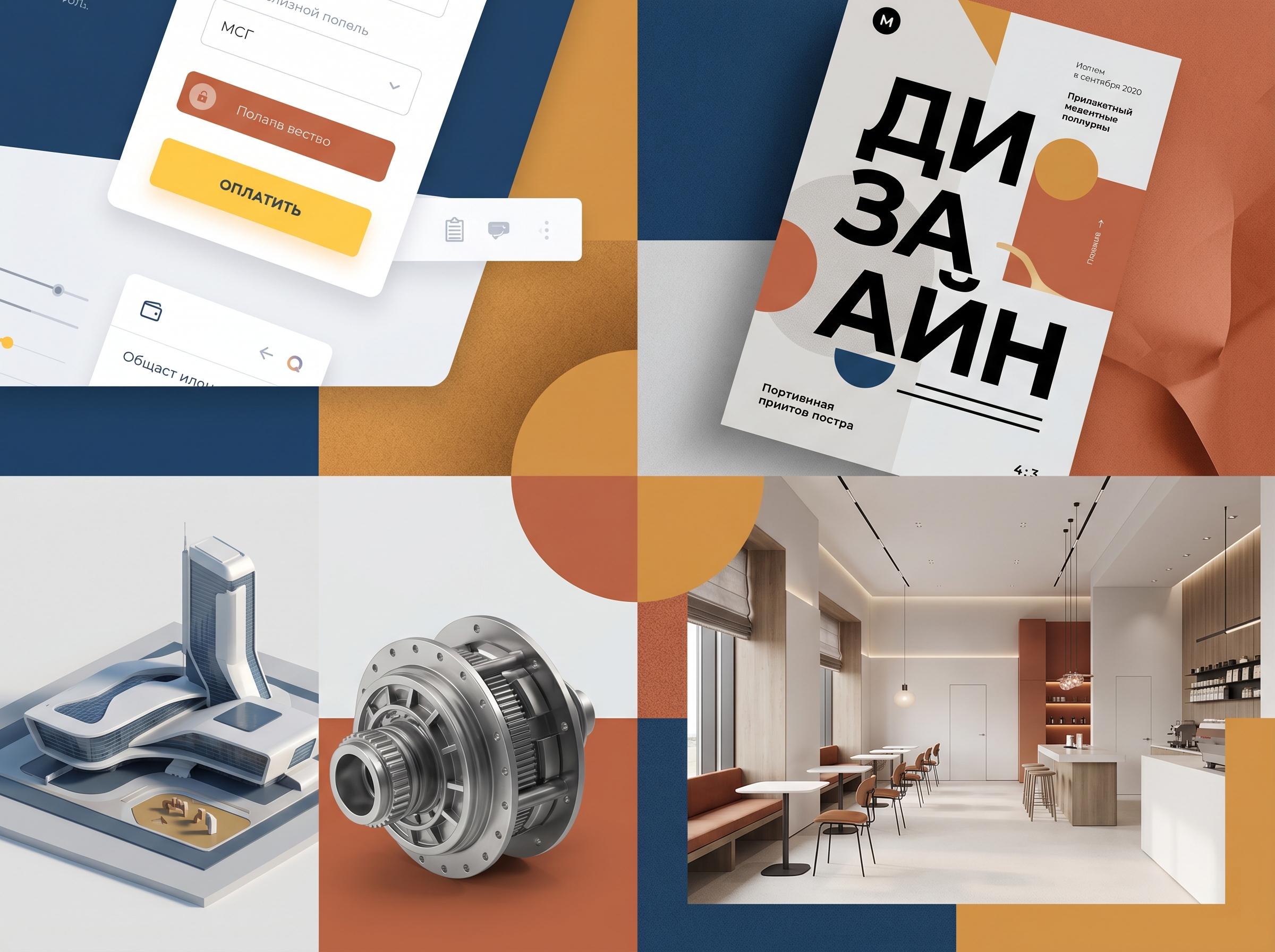
Main types of design: from classical trends to digital innovations
All types of design in one guide: graphic, industrial, web, UX/UI, interior and others. We analyze the main directions of design, their features and work tools.

Design surrounds you everywhere - from the cup you drink coffee from to the “Pay” button in the bank application. Someone thought through the shape of the handle, the color of the interface and the location of each element. It’s not an accident or inspiration - behind every convenient or beautiful object there is a specific specialist who spent hours, and sometimes months, years on it.
There are dozens of design types, and it’s easy to get confused. Especially when everyone around calls themselves “designers” - but what exactly they do, you have to guess.

Classic design trends
Classic design disciplines are the foundation without which digital add-ons simply fall apart. Graphic design, industrial design, interior design, typography - all this has been taking shape for decades, long before Figma and smartphones appeared. And it is here that what distinguishes a designer from a person who “knows how to use Photoshop” is formed: an understanding of composition, color, shape and why an object is created in the first place. Traditional design is not outdated - it has become the basis on which all modern trends rest. Even the best UX specialists started with basic types of design.
Graphic design is the foundation where it all began
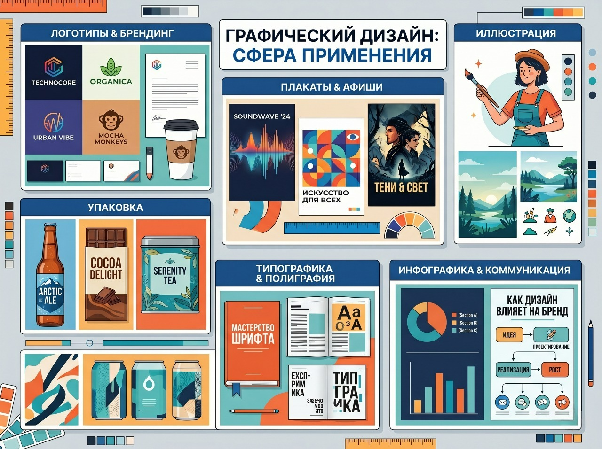
Graphic design is the oldest and broadest design discipline. It covers everything related to visual communication on a plane: printing, advertising graphics, logos, packaging, posters, illustrations, infographics.
If a company needs a business card, brochure, banner or letterhead, it's graphic design. If you need a brand’s identity and corporate style, this is the same, only on a more strategic scale.
A graphic designer works with typography, color, composition, and imagery. Its task is to convey the right message to the right audience through visual language. It sounds simple, but try to explain “reliability”, “innovation” and “we are not like everyone else” with one logo the size of a postage stamp - and it will immediately become clear why good specialists are expensive, and bad ones end up being even more expensive.
Tools:
- Adobe Illustrator,
- Photoshop,
- InDesign,
- Figma.
Plus a head, observation and understanding of why this or that material is created in the first place.
There are dozens of specializations within graphic design. Branding, packaging, illustration, typography - each direction lives by its own rules, although many designers work in several at once.
Identity and corporate style: the visual language by which the company is recognized
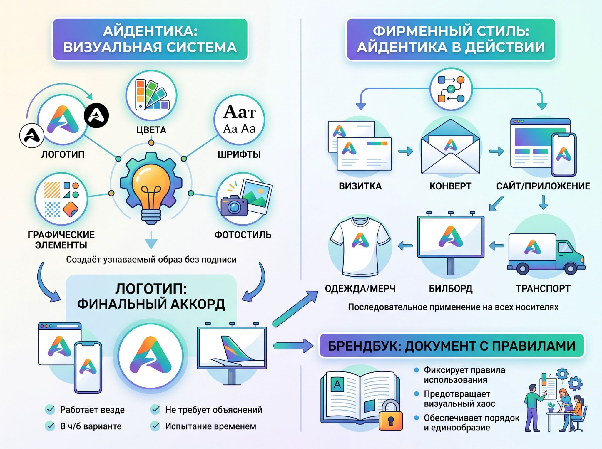
Many people think that corporate identity - this is “to draw a beautiful logo.” In fact, the logo is the final chord of a great work, and not its beginning. A good identity is a system where each element works to create a single image. The Sber logo, the orange color of Yandex, the green of Starbucks - all this has been built over the years as a holistic visual architecture.
The entire system is fixed in brand book — a document with rules for using each element. Without it, each contractor will do things “his own way.” And this is no longer a corporate style, but visual chaos with a logo.
Industrial design - when form follows function
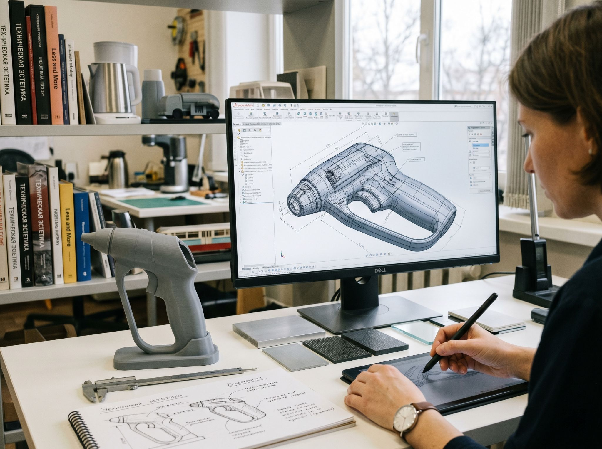
Industrial design, also known as industrial or object design, is the design of physical products: equipment, furniture, transport, tools, household items. The designer works at the intersection of aesthetics, ergonomics and production technology.
The task of an industrial designer is to find a balance between functionality, technical aesthetics and what is generally possible to produce. Three conditions that constantly conflict with each other. Production usually wins - and that's why half the appliances have such ugly wires.
Classic landmarks of the profession are Dieter Rams with his work for Braun and James Dyson, who turned the vacuum cleaner into an object that you want to put on the shelf. Rams's principle of "good design is as little design as possible" became the basis for the iPhone forty years later: Jony Ive spoke directly about its influence on Apple products. Today, this entire path from an idea to a finished object begins with 3D modeling - before the part goes into production, it will be digitally reassembled hundreds of times.
Industrial design in Russia is actively developing in the automotive industry, production of household appliances and medical equipment. This is a long process: it takes years from concept to mass production.
Interior design - a space that works for people
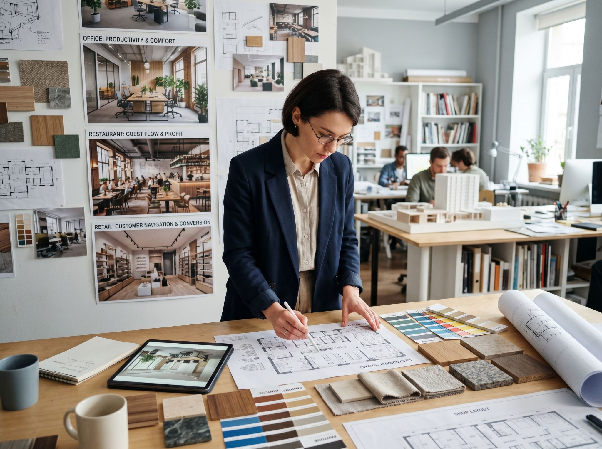
Interior design - designing interior space: apartments, offices, restaurants, shops, public areas. The designer deals with spatial planning, functional zoning, lighting, materials, color and furniture arrangement.
High-quality interior design is the ergonomics of premises and the correctly chosen interior style in one solution: when the space is both convenient and works for the task. An office where employees feel comfortable is more productive. A restaurant with a properly structured flow of visitors is more profitable. A store where the buyer intuitively finds the right product is more likely to convert.
Commercial interior design is a separate specialization. Here the designer must understand both the aesthetics and the business logic of the space: how to arrange the shelves so that the buyer does not pass by the necessary goods, where to place the cash register, how to organize a waiting area in the clinic.
Design is carried out in ArchiCAD or SketchUp - taking into account building codes, which no one has canceled, no matter how beautiful the concept is.
Environmental design - the city as one big interface
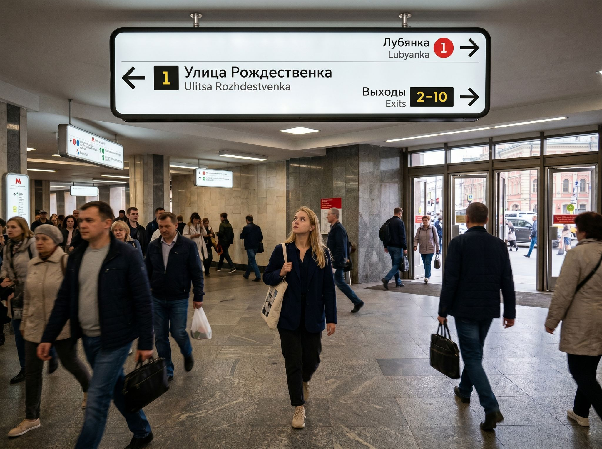
Environmental design, or environmental design - design of the urban environment and public spaces: navigation, exhibition stands, visual communications in physical space.
These are signs and signs in the subway, an orientation system in a shopping center, and conference design. Navigation design is the heart of this discipline: making a person feel comfortable in an unfamiliar place, understand where to go, and not think about it at all. This is the user experience, only offline.
A good example is the Moscow metro after the navigation redesign in 2012–2016. Before this, figuring out an unfamiliar station without the help of passers-by was a quest. After that, everything began to be read intuitively.
Veonix studio designs the exhibition environment and exhibition stands - one of the most difficult formats where you need to convey the essence of the company to a passing visitor in a few seconds.
Typography and type design - letters as a tool
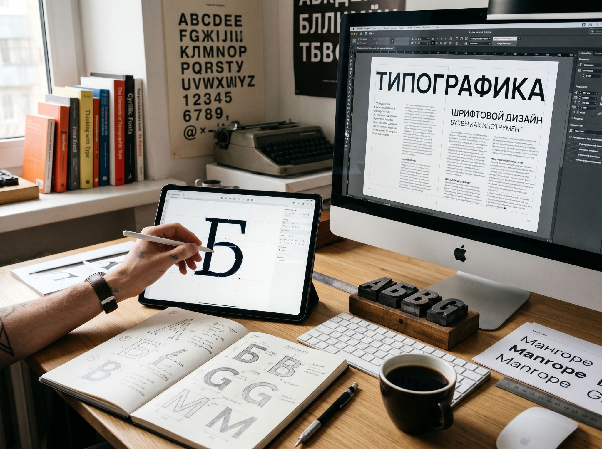
Typography is the art of working with type. The choice of typeface, size, line spacing, letter spacing, text hierarchy - all this affects how easy the material is to read and what feeling it creates.
Type design - development of new typefaces. This is painstaking work: every letter, every sign is drawn by hand, taking into account how they will look next to other symbols. A good headset takes years to create. Kirill Blagodatskikh, who created the Manrope font, spent several years on it - and today this font is on thousands of sites around the world. Anonymously, unnoticed, but everywhere.
Large companies order their own corporate fonts - Samsung, Yandex, Russian Railways. This is part of the identity: a unique font cannot be copied without violating copyright, and it becomes one of the key elements of recognition.
Packaging design is the first thing the buyer sees

Packaging design — designing the appearance of the product on the shelf. Shape, material, label, color, fonts - all this affects whether the buyer will take your product or pass by.
Packaging physically protects the product, communicates its composition, differentiates it from competitors, and creates a sense of brand before the buyer even gets to the contents. Four tasks at the same time - and all this in an area that is sometimes smaller than the palm of your hand.
Unboxing an iPhone is a separate ritual that users film on video. Apple did this on purpose.
Good packaging design works on three levels: it attracts attention on the shelf, conveys the right information, and creates the right feeling about the product. Oil in gold packaging is perceived as premium, even if the inside is the same as its neighbor in a white box.
At the intersection of graphic design and industrial design - label design for drinks, cosmetics, and food products. This is a separate specialization with strict requirements for readability, color reproduction in printing and compliance with technical standards.
We develop packaging designs for products of various categories - from food to cosmetics and industrial products.
Illustration and concept art - when you need a unique visual language
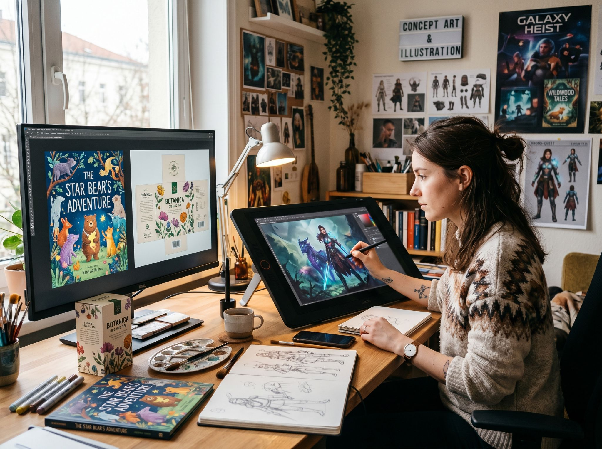
Illustration in commercial design - creating unique graphic images for packaging, advertising, branding, editorial materials, children's books.
Brands use illustration when they want to stand out from competitors who are all using the same stock photos. A personal illustrative style is a powerful differentiation tool.
Concept art is a direction associated with the development of visual concepts for cinema, games, and animation. A concept artist creates characters, locations, and objects before they are implemented in the final form.
Fashion design - clothing as communication
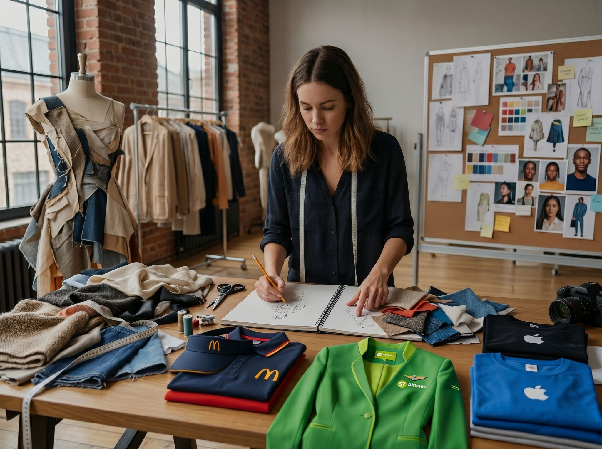
Fashion design - designing clothes, shoes and accessories. The designer works with shape, material, cut, color and the image the finished product creates.
In a business context, this is not only haute couture. The design of corporate clothing and merch is a separate area. The uniforms of McDonald's employees, S7 flight attendants, Apple Store managers - all this is part of the brand identity, designed intentionally.
Veonix studio develops corporate merch - from concept to ready-made layouts for production.
Digital and modern design trends
Digital design is what happened when classical principles met technology and decided to stick together. Digital design has existed for less than half a century, but has already become the fastest growing and most sought-after part of the profession. The main difference from traditional trends is interactivity: the object is no longer static, it reacts, changes, adapts to the user. That is why modern design is always about technology in design as well as aesthetics. Web, interfaces, animation, games - each of these areas grew out of the classics, but lives by its own rules.
Web design - when beauty must also work
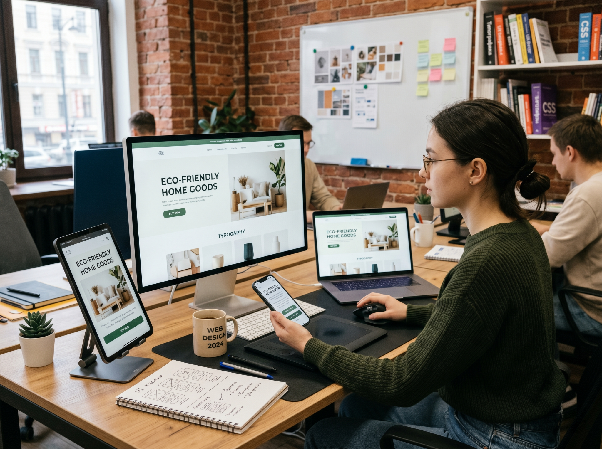
Web design - designing the visual design and structure of a website: from multi-page portals to landing pages. Colors, fonts, block layout, buttons, shapes, animations - all this is the responsibility of the web designer.
The main difference from printing is interactivity. The page in the magazine does not respond to the reader's actions. The site reacts constantly: highlights buttons when hovered, expands the menu, shows an error when the form is filled out incorrectly. All this needs to be thought out and drawn.
Good web design is a balance between aesthetics and functionality. A website may be beautiful, but if the user can’t find the “Buy” button, it’s a bad design. And vice versa: a convenient, but visually dull website also does not work for the brand.
Adaptive and responsive design today is as basic as knowing how to hold a pencil. The site must work correctly on a phone, tablet and monitor. Mobile traffic has long overtaken desktop traffic, and a site that displays crookedly on an iPhone is losing customers every day.
It’s easy to check: open your website on your phone right now. If the text needs to be brought closer with your fingers, and the “Contact Us” button moves off the edge of the screen, this is no longer a design problem, this is a problem with conversion and revenue.
Working stack - Figma for layouts, basic understanding of HTML and CSS for a competent dialogue with the developer.
Veonix studio designs turnkey websites - from concept to final layout ready for layout.
UX/UI design - about convenience that you don’t notice
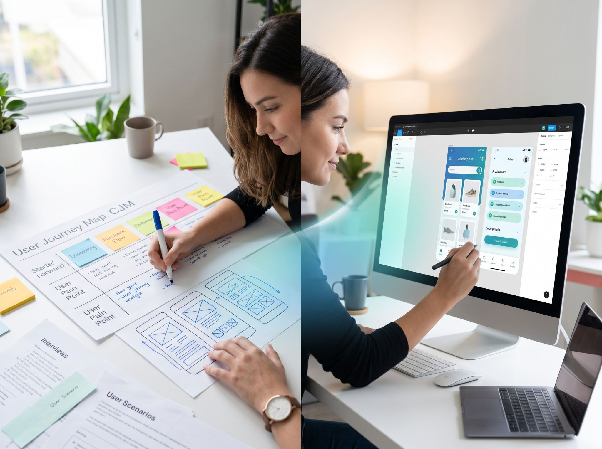
UX/UI design is one of the most sought-after areas in digital product design, and at the same time one of the most misunderstood terms in the industry. People write it on their resumes, demand it in job vacancies, and argue about it in the comments - but half the participants in the discussion mean different things.
- UX (User Experience) — user experience design. A UX designer thinks about how a person interacts with a product: he writes user scenarios, collects analytics, conducts interviews, builds user journey maps, makes prototypes and tests them.
- UI (User Interface) — user interface design. A UI designer takes UX solutions and gives them a visual form: colors, fonts, icons, buttons, padding. Essentially, it is graphic design applied to digital interfaces.
In practice, these roles are often combined, especially in small teams. But in large companies, UX and UI are different specialists with different tasks. The main tool is Figma, less often Sketch or Adobe XD, depending on the team and project.
Good UX/UI design is usability in action: ease of use that you don't notice. When everything is intuitive, you don’t need to look for anything and every action happens effortlessly. The bad one is the one that makes you want to close the application and go to your competitors.
Presentation design - when slides decide the outcome of a deal

Presentation design - a separate direction that is often underestimated. Between “make PowerPoint slides” and a professional presentation there is a gap the size of several lost tenders.
A good presentation convinces an investor, wins a tender, and explains the product to a partner. Structure, hierarchy of information, data visualization and balance between text and graphics are important here - and only then beautiful design.
A bad presentation is 40 slides in small print that the presenter reads out loud. No design can save this.
A professional presentation designer works at the intersection of graphic design, infographics and storytelling. He knows how to place accents, where the eye is looking and at what point the audience stops listening.
Veonix studio makes turnkey presentations - from investment pitches to tender applications and corporate reports.
Motion design and animation - when the picture starts to move
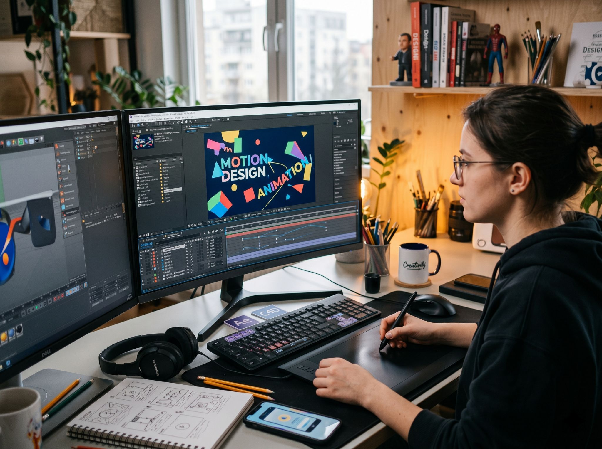
Motion design (from English motion - movement) - creation of animated visual content. These are video graphics and video advertising, animated logos, screensavers, kinetic typography, explanatory videos, interface animation.
The line between motion design and video production is that motion works primarily with motion graphics and visual effects (video effects) rather than live video. Although in modern projects they often overlap.
Why does business need this? Because animation holds attention better than static images. According to Wyzowl (a UK video marketing company), 96% of people watch an explainer video about a product before making a purchasing decision. A short animated video on a website's home page often does more for conversions than three screens of text.
Motion designer tools - Adobe After Effects, Cinema 4D, Blender, Lottie for web animation. Plus an understanding of animation principles, timing and how movement affects perception.
3D design and visualization - when the object does not yet exist
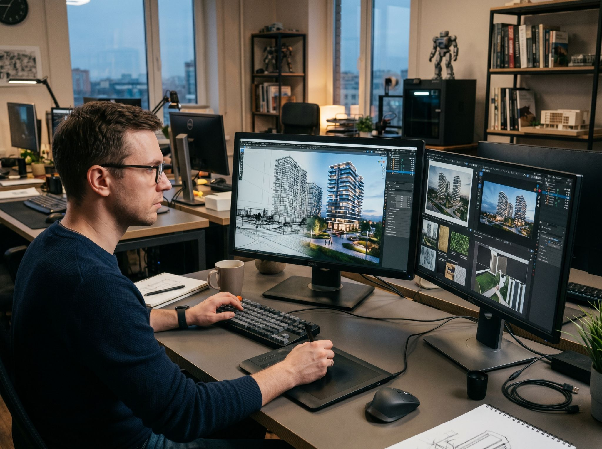
3D design - creation of three-dimensional graphics, objects and scenes in a digital environment. 3D modeling, animation, CGI, architectural visualization, industrial renderings, characters for games and films - all these are different facets of the same discipline.
For business, 3D visualization is especially valuable where it is impossible or expensive to show a real object: a residential complex under construction, a prototype of a new device, the interior of a future office. Photorealistic rendering with detailed texturing convinces the client better than any description, and is cheaper than building a showroom.
Tools - Blender, 3ds Max, Cinema 4D, ZBrush for organic modeling and visual effects, Unreal Engine for interactive scenes. The entry threshold is high, but the demand for good specialists consistently exceeds the supply.
Game design is a separate universe with its own rules
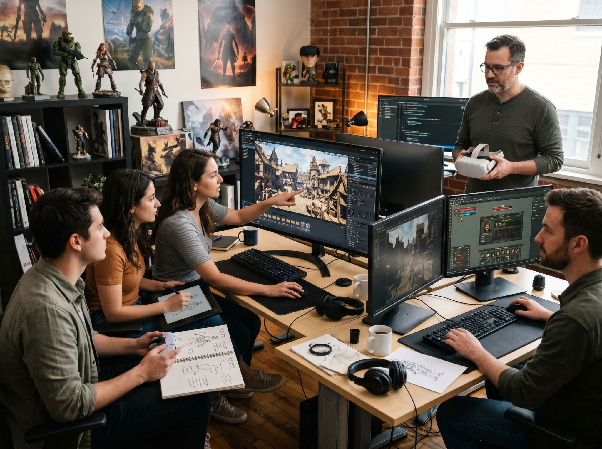
Game design is one of the most multi-layered types of design. Game development combines dozens of specializations, and completely different people are responsible for gameplay, game experience and interactivity - and they are often confused.
- The game designer comes up with the mechanics, rules and structure of the game - everything that makes the player come back again.
- An environment artist creates the visual world: locations, level design, atmosphere.
- A narrative designer builds a game narrative—a story that keeps the player inside the world.
- A concept artist is engaged in character design - he works out the appearance and character of the characters before they are implemented in the engine.
- A UI designer in game development designs the game interface - menu, inventory, map, health indicators.
The gaming industry is one of the fastest growing in the world. According to Newzoo (a gaming industry analytics company), the global video game market will exceed $180 billion in 2023. For comparison, this is more than the global film and music market combined. The demand for specialists is corresponding. The main development platforms are Unity and Unreal Engine, and the ability to work in at least one of them is included in most job vacancies today.
How to choose the right type of design for your task
The most common mistake customers make is to come to a “designer” with a task without understanding what kind of specialist is needed. This is something like going to a doctor and saying: “Doctor, I feel bad” - without specifying what exactly hurts. A therapist, a surgeon and a psychiatrist are formally all doctors, but they do different things. As a result, the web designer receives the task of packaging, and the graphic designer receives the task of developing the application interface. There is no good result in such cases.
Easy task navigation:
- Need a logo and corporate identity → graphic design, branding
- Need a website → web design
- You need a convenient application → UX/UI design
- Need product packaging → packaging design
- Need an animated video → motion design
- Need an office or showroom → interior design
- Need an exhibition stand → environmental design
- Need corporate clothing or merch → fashion design
Frequently Asked Questions
What is graphic design in simple words?
Creation of visual materials for communication: logos, posters, packaging, advertising, presentations. If you need to convey information or an image through a picture, this is graphic design.
How is web design different from UX/UI design?
Web design is the visual design of a website. UX/UI design is a broader concept: it includes user research, designing interaction scenarios, and only then the visual interface. Web design is part of UI, but not all of UX/UI.
Does a small business need professional design?
Yes. Unprofessional graphic design is one of the biggest red flags for new clients. People judge visual quality in a split second, often without realizing it. A logo from a free generator saves money now and costs more later.
What is a corporate identity and who develops it?
Corporate style is a system of visual elements of a brand: logo, colors, fonts, graphics, rules of application. Developed by branding and graphic design specialists. Recorded in the brand book.
How much does logo development cost?
The range is huge: from $50 for a freelancer to several million for a large agency. The price depends on the designer’s experience, the depth of development and whether the task includes strategy or just visuals. A cheap logo without a concept is a waste of money.
What is motion design and why does business need it?
Motion design - creation of animated content: videos, animated banners, screensavers, interface animation. Needed to attract attention in advertising, explain complex products and increase audience engagement on social networks.
Is it possible to combine several types of design in one project?
Yes, and this happens most often. Brand development includes graphic design (logo, identity), web design (website), packaging design and sometimes motion design for advertising. A good studio manages such projects in a comprehensive manner.
What is more important - beauty or functionality?
This is a false dilemma. A good design solves a specific problem and looks decent at the same time. Beauty without function is art. Function without aesthetics is engineering. Design is at the intersection.
How do you know if a designer has done a good job?
A good result solves the task: it sells, informs, attracts attention, and creates the desired image. If customers began to perceive the company better, conversions increased, or the product began to be taken off the shelf more often, the design worked.
Where to find a good designer or studio?
Look at the portfolio - not for beauty, but for whether the clients’ problems have been solved. Read the cases. Check whether the specialist understands your field. Veonix studio publishes portfolios in all areas - from logos to presentations and corporate identity.